
See a doctor if
- you have deep, painful lumps or cysts
- spots are leaving scars or dark marks
- nothing has helped after about 3 months
- acne is affecting your mood or confidence
- a baby's spots start after 6 weeks of age or come with fever
What acne is and what actually helps
Acne is a common skin condition in which pores get blocked by oil and dead skin cells, causing blackheads, whiteheads and red spots. Mild acne usually improves with a simple routine and an over-the-counter treatment used for two to three months. Deeper, painful or scarring acne needs a doctor.
 Types of acne and how to tell them apart
 Acne treatments that have evidence behind them
 Acne medications, creams and tablets explained
 Skin care for acne-prone skin
 Acne scars, types and treatment options
 Adult acne, why it happens and what helps
 Baby acne, what is normal and when to call a doctor
 Body acne on the back and chest
 Teenage acne, a guide for teens and parents
 Hormonal acne, signs, causes and treatment options
 Blackheads, what they are and how to clear them
Key points
- Acne starts in hair follicles that get blocked by oil (sebum) and dead skin cells. Bacteria and inflammation turn some of them into red spots.
- It is very common. Most people get at least some acne between the ages of 12 and 24, and many adults get it too.
- Mild acne often improves with over-the-counter benzoyl peroxide, adapalene or salicylic acid used daily for 2 to 3 months.
- Painful lumps, scarring, dark marks or acne that affects your mood are reasons to see a doctor early.
What is acne
Acne is a skin condition in which hair follicles become plugged with oil and dead skin cells. It shows up as blackheads, whiteheads, red spots and, in more severe cases, deep painful lumps. It is most common on the face, forehead, chest, upper back and shoulders, because these areas have the most oil glands.
What happens inside the skin
Every hair follicle is connected to a sebaceous gland that makes sebum, the oil that keeps skin supple. Acne develops when four things come together.
- Too much oil. Hormones called androgens make the glands larger and more active, which is why acne often starts at puberty.
- Dead skin cells that do not shed properly. They stick together inside the follicle and form a plug called a comedone.
- Bacteria. Cutibacterium acnes lives on everyone's skin. Inside a blocked, oily follicle it multiplies.
- Inflammation. The immune system reacts, and the spot becomes red, swollen and sometimes painful.
An open plug that darkens on contact with air is a blackhead. A closed one under the surface is a whitehead. When the wall of the follicle breaks and inflammation spreads, you get papules, pustules and, deeper down, nodules and cysts. Our guide to acne types explains how to tell them apart.
What makes acne more likely
- Hormonal changes during puberty, around periods, in pregnancy and in conditions such as polycystic ovary syndrome (PCOS).
- Family history. If both parents had acne, you are more likely to get it.
- Some medicines, for example corticosteroids, lithium, some epilepsy drugs and testosterone. Never stop a prescribed medicine on your own; talk to the prescriber.
- Friction and pressure from helmets, tight straps, backpacks and phones held against the face.
- Heavy, oily cosmetics and hair products that are not labelled non-comedogenic.
Common myths
Acne is not caused by dirty skin. Blackheads are dark because of oxidised oil and pigment, not dirt. Scrubbing hard irritates the skin and often makes acne worse. Chocolate and greasy food are not the main cause either, although some studies suggest that a diet high in sugary, high-glycaemic foods and possibly skimmed milk can worsen acne in some people. If you notice a pattern, it is reasonable to cut back, but diet alone rarely clears acne.
What helps, by severity
| Severity | What it looks like | Reasonable first step |
|---|---|---|
| Mild | Mostly blackheads and whiteheads, a few small red spots | Over-the-counter benzoyl peroxide, adapalene 0.1 % gel or salicylic acid, used every day |
| Moderate | Many red spots and pustules, sometimes on the back and chest | GP or dermatologist; prescription creams, often combined with a short course of antibiotic tablets or hormonal treatment |
| Severe | Painful nodules or cysts, scarring | See a doctor promptly; a dermatologist may consider isotretinoin |
Whatever you use, give it time. Acne treatments usually need 6 to 12 weeks before you can judge whether they work, and the skin may look a little worse in the first weeks. Details are in our guides to acne treatments and acne medications.
Acne at different ages
Acne looks and behaves differently at different stages of life. Newborns can get harmless baby acne that clears on its own. Teenage acne is driven by puberty hormones. Adult acne, especially in women, tends to sit around the jaw and chin and is often linked to hormones. Spots on the back and chest are covered in the body acne guide.
Looking after acne-prone skin
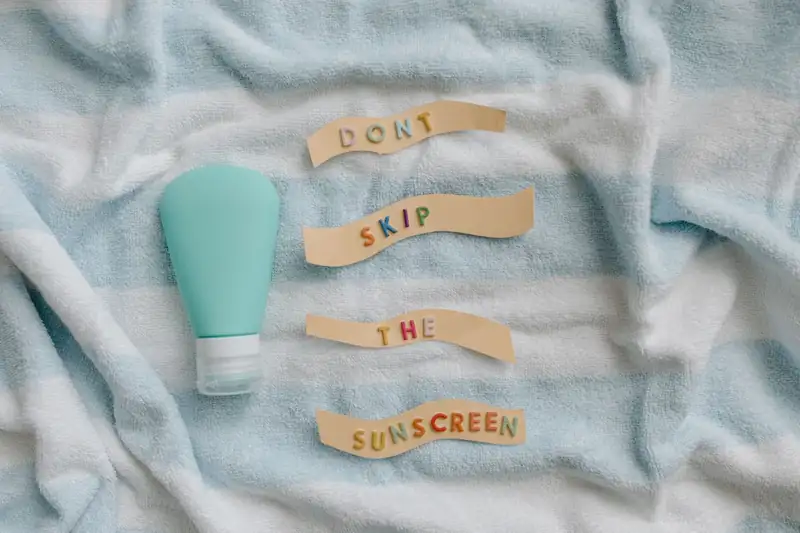
A simple routine works better than a shelf full of products: a gentle cleanser twice a day, your treatment, a light non-comedogenic moisturiser and sunscreen in the morning. Do not pick or squeeze spots, because that pushes inflammation deeper and raises the risk of marks and scars. See acne skin care for a step-by-step routine and acne scar treatment if acne has already left marks.
Sources
- American Academy of Dermatology
- NHS, Acne
- Mayo Clinic, Acne
- NICE guideline NG198, Acne vulgaris management
General information, not medical advice. If you are pregnant, breastfeeding, caring for a baby or taking other medicines, ask a doctor or pharmacist first.
Recommended
Do you like women's hair care? We have in stock!